From OneWiFi and EasyMesh to AI-ready life cycle management with RDK
By Mujdat Pakkan, EVP of Customer and Partner Engineering
Delivering consistent, high-quality Wi-Fi across increasingly complex home networks is a challenge we discuss frequently with fellow engineers and industry colleagues. OneWiFi, the RDK initiative to unify EasyMesh, OpenSync and other Wi‑Fi control frameworks, is a pivotal step toward that goal. But standards alone don’t deliver outcomes. Having worked with operators worldwide, I can say confidently at Airties we are turning the OneWiFi vision from specification into repeatable, low‑risk deployment.
Why OneWiFi matters to operators
Historically, each chipset vendor and OEM treated mesh differently. Integrations were vendor‑specific, behaviours varied across hardware platforms, and rollouts required extensive device‑by‑device tuning. OneWiFi provides a common framework so different mesh technologies interoperate on a multitude of platforms more predictably. For operators this reduces integration overhead, shortens time‑to‑market, and delivers a more consistent end‑user experience right from day one.
Build on operational EasyMesh experience
I am very proud of our engineering teams as we didn’t just implement the EasyMesh standard in the lab, but we operationalized it in live networks. Over years of real deployments, we encountered the edge cases that break large rollouts: chipset driver quirks, roaming anomalies, telemetry inconsistencies and scale‑related regressions. We turned those lessons into hardened, production‑ready processes and tooling. That deep, field‑proven expertise is why I believe we have been a key driver behind adding EasyMesh to OneWiFi and why operators rely on us to make EasyMesh truly deployable.
Testing, validation and trustworthy telemetry
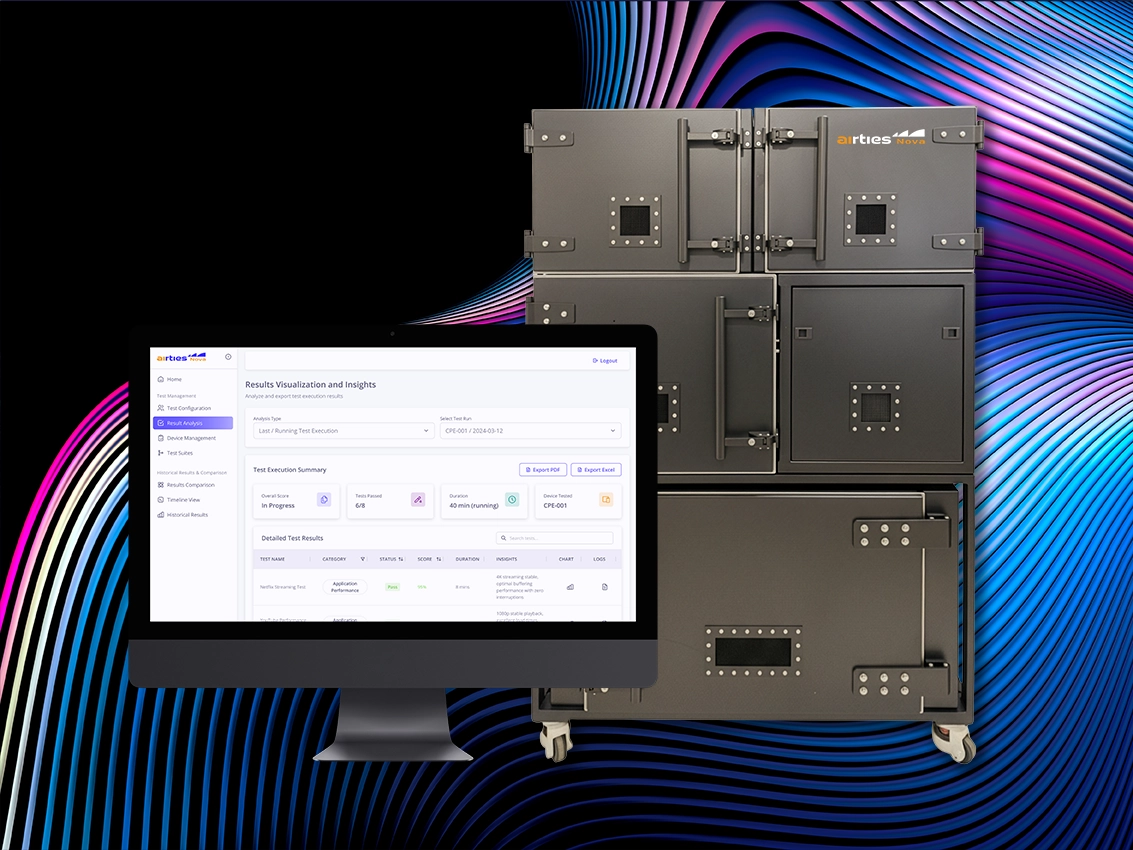
OneWiFi standardizes the control plane; our role is to validate the data and behaviour coming from the device fleet. Operators need accurate telemetry and repeatable testing so they can trust rollout decisions. We apply rigorous interoperability testing across vendors and chipsets, simulate realistic subscriber environments, and validate KPIs that matter: throughput under load and interference, handover stability, latency, and coverage. Accurate data enables faster troubleshooting and a better subscriber experience via optimizations from the cloud.
Next step: AI‑driven lifecycle management
Now that OneWiFi is getting broadly deployed, the next transformation is dynamic lifecycle management of applications on the gateway. At Airties we want to push new capabilities like security upgrades, roll-back features, new features trials and even personalised feature offers quickly and safely. AI becomes an essential capability here as engineers can decide when and where to test and deploy firmware upgrades, optimize resource allocation or to adapt configurations based on live network conditions. AI‑enabled lifecycle management of features will let operators introduce differentiated services faster while protecting performance and privacy.
Three priorities for ISP engineering teams
- Choose partners with proven field deployments of EasyMesh, not just lab implementations.
- Validate telemetry and test suites across real chipsets and firmware versions.
- Plan for an AI‑ready lifecycle framework so new services can be delivered dynamically and safely.
In summary, standards like OneWiFi created the foundation for fast and easy rollouts of Wi-Fi and home broadband, improving the experience, but now we as an industry must take the next step to AI-ready lifecycle management. For Engineering and Network Operations teams, AI-enabled life cycle management enables safe, auditable automation across large subscriber populations, including rollback management, remote troubleshooting actions, targeted configuration testing and real time KPI monitoring.